

Spitzhauben
Also known as Appenzeller Spitzhauben
Also known as: Appenzeller Spitzhauben
Is the Spitzhauben right for you? Take the Breed Matcher →About the Spitzhauben
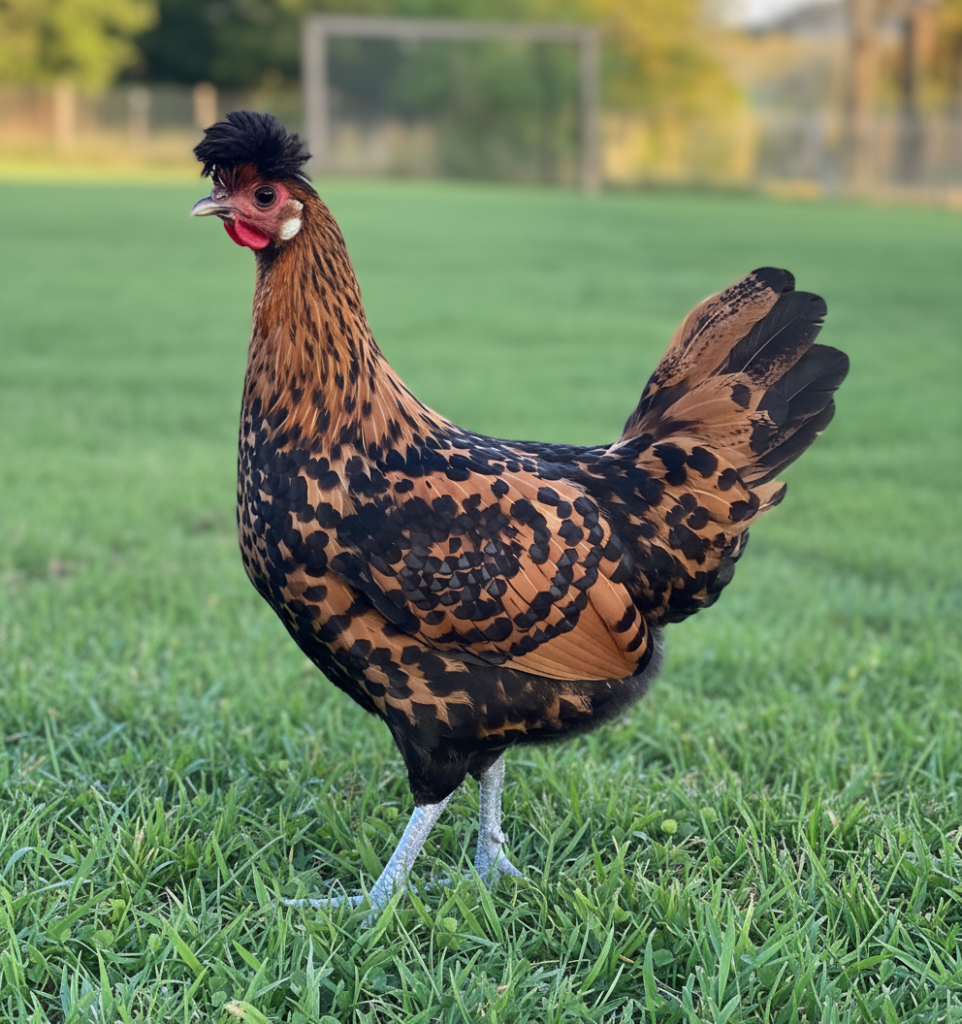
The Appenzeller Spitzhauben is characterized by its unique crest resembling a lace bonnet. It has a slim, upright frame and a striking plumage that often features a laced pattern. Known for being active and hardy, this breed tends to be friendly yet somewhat independent. They are good foragers, making them ideal for free-range systems.
History
The Spitzhauben breed originated in Switzerland and has roots dating back to at least the 19th century. It was developed in the Appenzell region and has gained recognition for its distinctive appearance and reliable egg production. Over time, it spread to various parts of Europe and is appreciated in diverse poultry communities.
Care tips
Spitzhauben chickens thrive in moderate climates and can tolerate cooler temperatures. Although they are not known for broodiness, providing ample space to roam will encourage their foraging habits. Regular monitoring of their unique crest is necessary to prevent any potential issues with feather health.
Color varieties
Fun facts
- The name ‘Spitzhauben’ translates to ‘pointed bonnet’ in German.
- Spitzhauben are known for their excellent foraging ability and adaptability.
- This breed is one of the few Swiss breeds recognized internationally.
- They have a distinctive laced feather pattern which is visually striking.
What keeping Spitzhaubens is like
The Spitzhauben, or Appenzeller Spitzhauben, is Switzerland's national chicken breed, from the Appenzell region. Its name refers to the pointed lace bonnets worn there, which matches the bird's forward-pointing crest. It has a small V-shaped comb and comes most often in silver spangled, with gold spangled, black and blue also kept.
Day to day
Spitzhaubens are light, active and alert. They are excellent foragers, quick to spot danger, and good fliers. They like to roost high. Few will sit in your lap, though most learn your routine and stop panicking when you walk in. They do best with space to range.
Laying
Hens lay white eggs at a good rate for a heritage breed. They are not usually broody.
Crest care
The crest is smaller and more upright than a Polish crest, so it blocks less of the view and stays drier. Still, check it for mites, and use waterers that keep the crest dry in winter.
Climate
Coming from the Swiss mountains, they handle cold well, and the small V comb resists frostbite. They also cope with heat with shade.
How they compare
The Appenzeller page covers the Appenzeller breeds more broadly, including the Barthuhn, a bearded, rose combed relative. Compared with the Polish, the Spitzhauben is tougher, more active and a better forager.
Rarity
Spitzhaubens are uncommon in the US. A few hatcheries and breeders sell them.
Who they suit
Spitzhaubens suit keepers who want an eye-catching crested bird that still lays well and looks after itself on range. They are not ideal for tiny runs, since they are active and like to fly up to high perches.
Common questions about Spitzhaubens
Are Spitzhaubens good layers?
Yes, good layers of white eggs.
Can Spitzhaubens fly?
Yes, quite well. A covered run is helpful.
Are Spitzhaubens cold-hardy?
Yes. Their small comb and mountain origin suit cold weather.
