

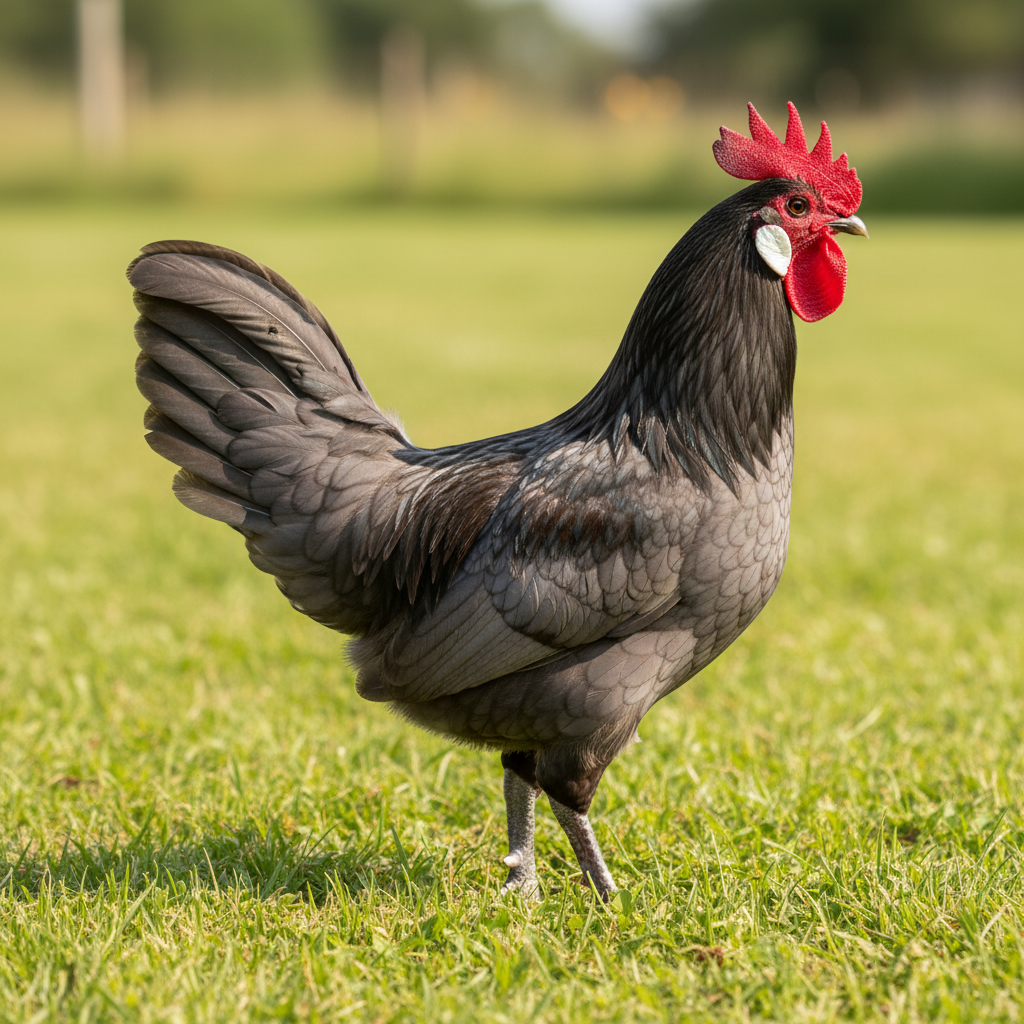
Rosecomb Bantam
Rosecomb Bantams are prized for their unique rose-shaped comb and compact size.
Is the Rosecomb Bantam right for you? Take the Breed Matcher →About the Rosecomb Bantam
Rosecomb Bantams are small, ornamental birds known for their distinctive rose comb that sits flat on the head. They exhibit a variety of feather colors, often featuring vibrant plumage patterns. These birds are typically friendly and active, making them popular among backyard keepers for their charming personalities. Their small size and manageable temperament make them ideal for urban settings.
History
The exact origins of the Rosecomb Bantam are unclear, but they are believed to have developed in England during the 19th century. They are thought to be descendants of Asian bantams and were bred primarily for their ornamental appeal, which contributed to their popularity in poultry shows.
Care tips
Rosecomb Bantams are relatively hardy, but they can be sensitive to extreme weather conditions due to their small size. Providing a secure coop with plenty of ventilation is essential. These birds can be broody, so it is essential to monitor them if you do not wish them to hatch eggs. They require minimal space, making them suitable for smaller backyards.
Fun facts
- Rosecomb Bantams are known for their unusual rose-shaped comb, giving them a unique look.
- This breed is often kept for ornamental purposes and is a favorite in poultry exhibitions.
- They are generally friendly birds and can be good pets, often enjoying human interaction.
- Rosecomb Bantams come in several color varieties, including black, blue, and white.
Keeping Rosecomb bantams
The Rosecomb is one of the oldest true bantams, meaning it has no large version. It has been kept in Britain for centuries and is mainly a show bird today. Its main features are a neat rose comb with a long spike at the back, called the leader, and large, round white earlobes. Black is the classic color, with white, blue and others also shown.
A show breed
Rosecombs are bred for type and those big white earlobes. The earlobes are delicate and judges look closely at them, so breeders protect them from damage and harsh weather. Hens lay small white or cream eggs at a modest rate. They are kept for looks and showing more than eggs.
Day to day
Rosecombs are active and can be flighty. They are good fliers for their size, so put a roof on the run. Many keepers find them quick and lively rather than cuddly, though some tame well. They need little space.
Climate
Their small size means they lose heat quickly. A dry, draft-free coop is important in winter. The rose comb resists frostbite better than a big single comb.
How they compare
The Sebright is another old British true bantam with a rose comb, known for its laced feathers. The Nankin is calmer and a better broody.
Where to get them
Some hatcheries sell Rosecombs, but show-quality birds come from breeders. They are common in bantam classes at poultry shows.
Common questions about Rosecomb bantams
Are Rosecomb bantams good layers?
Not really. Hens lay small eggs, and not many of them.
Why are Rosecomb earlobes white?
It is a breed trait. Large, round white earlobes are a key show feature.
Are Rosecombs good for beginners?
They are easy to keep, but they are flighty. Beginners who want a calm bantam may prefer a Cochin or Silkie.
