

Easter Egger
Also known as EE
Also known as: EE
Is the Easter Egger right for you? Take the Breed Matcher →About the Easter Egger
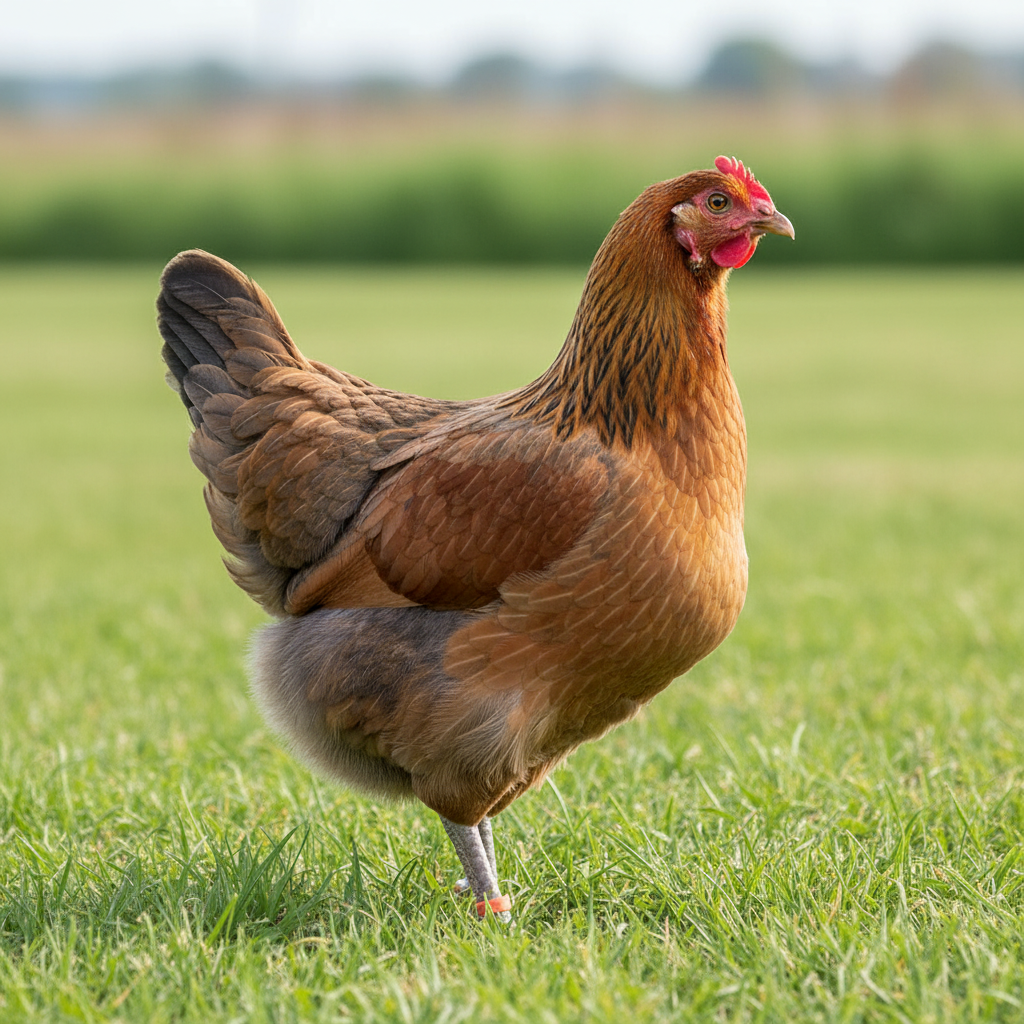
Easter Eggers are known for their unique appearance, featuring a mix of colors including brown, black, and white. They often have a fuzzy cheek appearance due to their pea comb and can display a variety of feather patterns. The breed is friendly and inquisitive, making them a popular choice for backyard flocks. Their most distinctive feature is their ability to lay a variety of colorful eggs, ranging from blue to green and even pink.
History
Easter Eggers originated in the United States, developed in the latter half of the 20th century as a mix of various breeds. They are often descendants of Araucanas crossed with other breeds. This led to their unique egg-laying abilities and diverse appearances. Since then, they have gained popularity among backyard chicken keepers for their distinctive egg colors and friendly nature.
Care tips
Easter Eggers are hardy birds that adapt well to various climates, although they prefer ample space to roam. They are not known for being particularly broody but can occasionally exhibit this trait. Regular interaction helps them remain friendly and social. Ensure they have a balanced diet to maintain egg production and vibrant plumage.
Color varieties
Fun facts
- Easter Eggers can lay eggs in shades of blue, green, and even pink.
- They are often mistaken for Araucanas due to their appearance.
- This breed loves foraging and can help control garden pests.
- Easter Eggers tend to have quirky personalities and can be quite entertaining.
What Easter Eggers are like day to day
Easter Eggers are not a breed in the strict sense. They are mixed chickens that carry the blue egg gene, usually with some Ameraucana or Araucana in their background. That is why no two look quite the same. Some have beards and muffs, some have tails like any other chicken, and colors range from gray to brown to partridge to white.
That variety is part of the fun. Most Easter Eggers are friendly, curious and easy to keep. They tend to be sturdy, low-maintenance birds that do well in backyards and mixed flocks.
Who they suit
- Beginners who want colorful eggs without paying breeder prices.
- Families who want friendly, hardy birds.
- Anyone who likes a flock where every hen looks different.
They are not a good pick if you want to show, since there is no standard, or if you need every egg to be the exact same shade.
Egg color and laying through the year
Most Easter Eggers lay blue or green eggs, and the exact shade depends on the hen. Some lay pale blue, some sea green, and some lay olive or even tinted eggs. A hen lays the same general shade her whole life, though it may lighten a little over a long season. You will not know the color until she starts laying. The green egg page lists other breeds in that range.
Laying is solid for a backyard bird. Expect regular medium to large eggs in spring and summer, a slowdown in fall and winter, and a gentle decline after the first two years. Some hens go broody, but most are not strongly broody.
Space, coop and climate
Easter Eggers are medium-sized and fit standard coop guidelines of about 4 square feet per bird inside. Many have pea combs inherited from Ameraucana stock, which helps a lot in cold weather. Some have single combs, so check yours. They handle heat about as well as any average backyard bird when they have shade and water.
Health and handling notes
- Bearded birds can hide mites and lice under their muffs, so part feathers during health checks.
- Because they come from mixed stock, they are usually hardy without breed-specific problems.
- Some are good fliers. A covered run helps if yours like to go over fences.
Easter Egger vs Ameraucana and Olive Egger
An Ameraucana is a standardized breed that lays blue eggs and breeds true to type. The Easter Egger vs Ameraucana comparison explains why hatchery "Ameraucanas" are often Easter Eggers. An Olive Egger is a cross between a blue egg layer and a dark brown egg layer, bred for olive shells. See the Easter Egger vs Olive Egger comparison for more.
Where to get them
Easter Eggers are easy to find. Almost every major hatchery and many feed stores sell them each spring, sometimes under the names "Ameraucana" or "Americana." They are usually affordable. Because they are mixed, there is no real rarity issue and no breed club standard.
Common questions about Easter Eggers
Are Easter Eggers good layers?
Yes. Most lay well for a backyard bird and do so for several years.
Can I tell what egg color a chick will lay?
Not reliably. You will usually find out when she lays her first egg.
Are Easter Eggers friendly?
Most are friendly and curious, especially when handled as chicks.
