

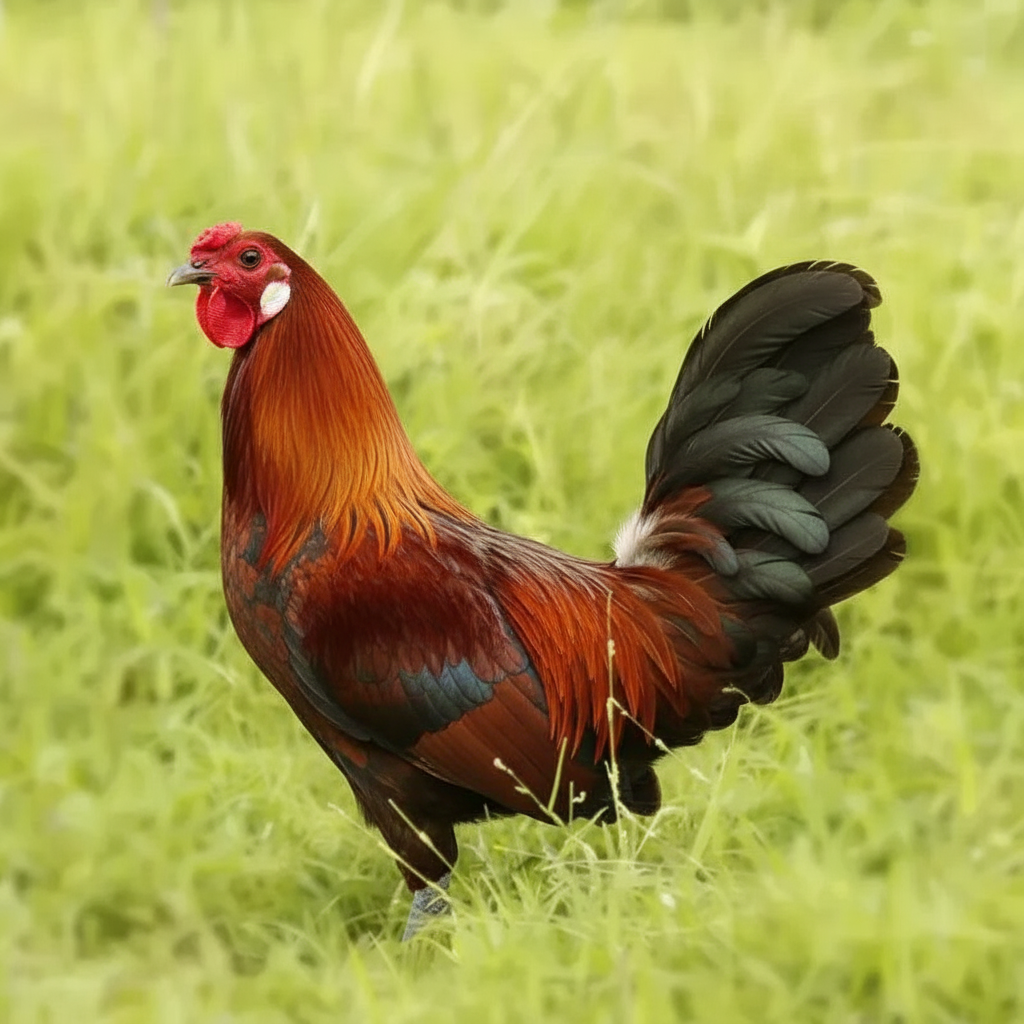
Brown Breasted Brown Red Standard Old English
The Brown Breasted Brown Red Standard Old English is a striking ornamental breed with a lively personality.
Is the Brown Breasted Brown Red Standard Old English right for you? Take the Breed Matcher →About the Brown Breasted Brown Red Standard Old English
The Brown Breasted Brown Red Standard Old English features a compact body with rich brown and red coloring. This breed is known for its striking appearance, including a broad head and a deep chest. They are lively and inquisitive, making them enjoyable companions for backyard keepers. Their distinctive plumage and spirited personality set them apart in the world of ornamental chickens.
History
The Old English breeds have a long history in England, developing as game fowl and later as ornamental birds. The Brown Breasted Brown Red variant reflects traditional breeding practices that emphasize color and presentation. Over time, they have gained popularity among fanciers and backyard keepers alike.
Care tips
These chickens require adequate space to roam and explore due to their active nature. They are generally hardy but should be protected from extreme weather conditions. Providing a balanced diet will help maintain their vibrant colors and overall health. They can show broody tendencies, making them great for hatching chicks if desired.
Fun facts
- This breed is known for its striking plumage patterns and vibrant coloring.
- Brown Breasted Brown Red Old English chickens are very social and enjoy interaction.
- They are often showcased in poultry exhibitions for their ornamental qualities.
- Despite their game origins, they are primarily kept for show and companionship now.
What Brown Breasted Brown Red means
Brown Red is a dark game color with lemon to orange accents on a black base. The "Brown Breasted" version carries more color through the breast, so instead of a mostly clean black chest you see lacing or brown tones there. It is a less common variation of the more familiar Black Breasted Brown Red. Like other Brown Reds, these birds usually have dark faces, dark eyes and dark legs.
Markings vary between breeders, so ask to see adult birds first.
How it relates to Old English Game
Hatcheries use "Standard Old English" for the large fowl Old English Game. Color is the only thing that changes here. Brown Breasted Brown Reds have the same upright stance, hard feathering and strong instincts as any Old English.
Keeping them well
- Give them space. They are active and forage widely.
- Plan for flying. A covered run or tall fence works best.
- Expect small eggs, cream to tinted, mostly in spring and summer.
- Expect broody hens, which are useful if you want to hatch chicks naturally.
Roosters will fight other roosters, sometimes badly. Keep one male per group. Hens are easier to manage.
Climate notes
Old English handle heat well with shade. In cold weather, their tight feathers do not trap as much warmth as fluffy breeds, so a dry, draft-free coop is important. Watch single combs in hard freezes.
How rare is it?
This is one of the less common Old English listings. A few hatcheries and game breeders carry it, and supply can be limited.
Common questions about Brown Breasted Brown Red Old English
What is the difference from Black Breasted Brown Red?
The brown breasted type shows more color or lacing on the breast, while the black breasted type has a cleaner black chest.
Do they lay many eggs?
No. Expect small eggs in modest numbers and frequent broody breaks.
Are they good free range birds?
Yes. They are alert, active foragers, though they still need a secure coop at night.
